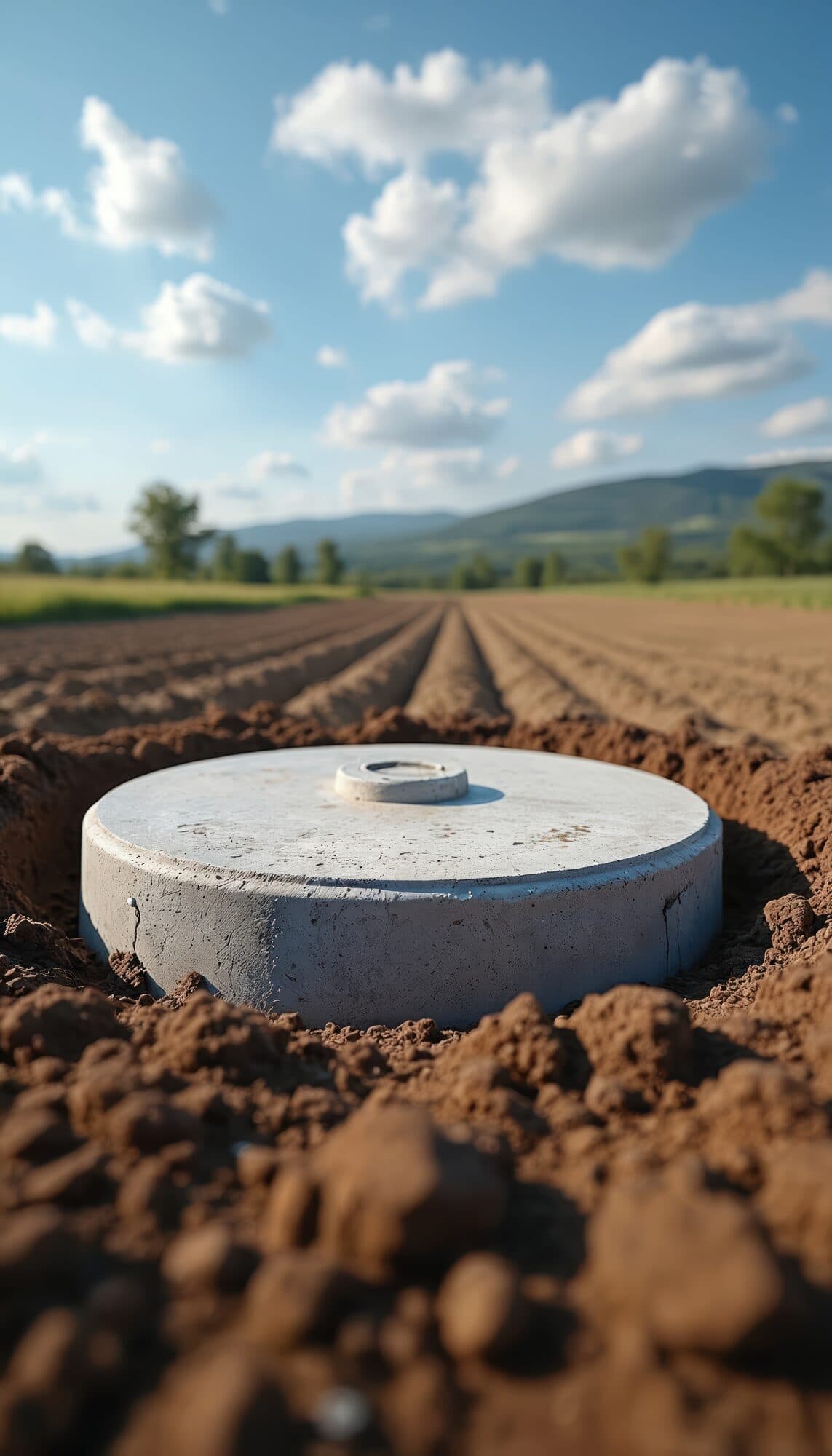
A private well is not treated by a municipality. Whatever the ground puts into the water is what arrives at the tap, and nobody is testing it on your behalf. In Polk County and the surrounding areas that usually means some combination of iron, sulfur, sediment and hardness, and occasionally bacteria.
The good news is that each of these has a well understood fix. The problem is that they frequently arrive together, and treating one while ignoring another is how people end up disappointed with an expensive system.
Iron and manganese: the orange staining
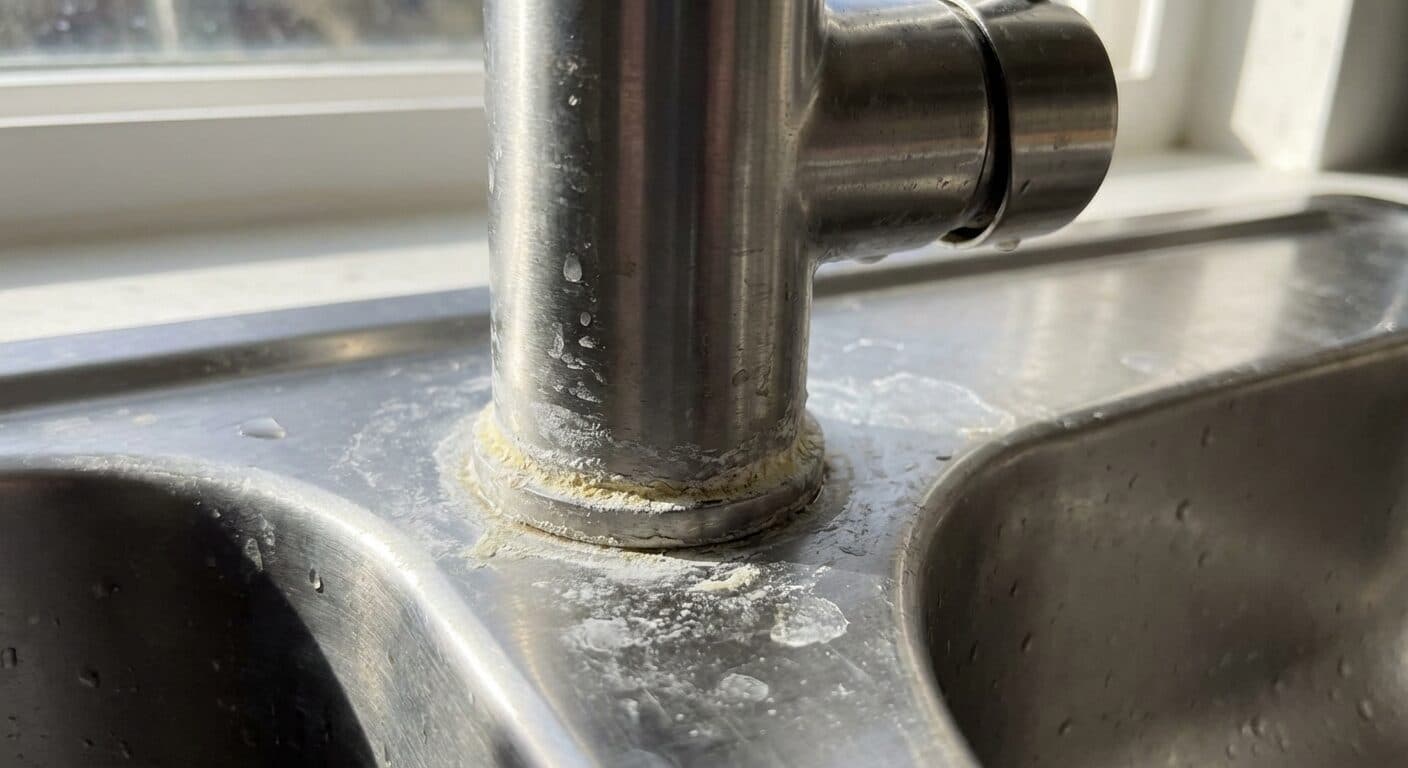
Central Florida's sandy soil and limestone aquifers are rich in iron. Dissolved iron is invisible in the water and stays that way until it meets air and oxidises, which is the reaction that leaves orange and brown marks on sinks, tubs, toilets and laundry.
An iron filter removes dissolved iron and manganese before they ever reach a faucet. Treating it at the point of entry is the only approach that protects fixtures and laundry, since by the time you can see the stain the reaction has already happened.
Hydrogen sulfide: the rotten egg smell
That distinctive smell is hydrogen sulfide gas. It is unpleasant rather than dangerous at typical residential levels, and it is usually strongest on the hot water side because heat drives the gas out of solution.
It is removed at the source rather than masked. Homeowners who have lived with a sulfur smell for years are often surprised how quickly it clears once the right system goes in.
Sediment
Wells draw fine sand and grit along with the water. It is abrasive, and over time it wears out valves, fixtures and appliances. A sediment pre-filter is inexpensive and protects everything downstream of it, including the more expensive treatment stages.
Bacteria
Because a private well has no municipal disinfection, bacteria is a genuine possibility rather than a theoretical one. Testing is the only way to know. Where disinfection is needed, ultraviolet treatment handles bacteria, viruses and microorganisms using light rather than chemicals, which suits households that would rather not add anything to the water.
Hardness
Well water is frequently hard as well, for the same limestone reason city supply is. A softener addresses that, and it is a separate stage from anything above. Iron filters do not soften and softeners do not remove iron reliably at higher concentrations.
Why the order of treatment matters
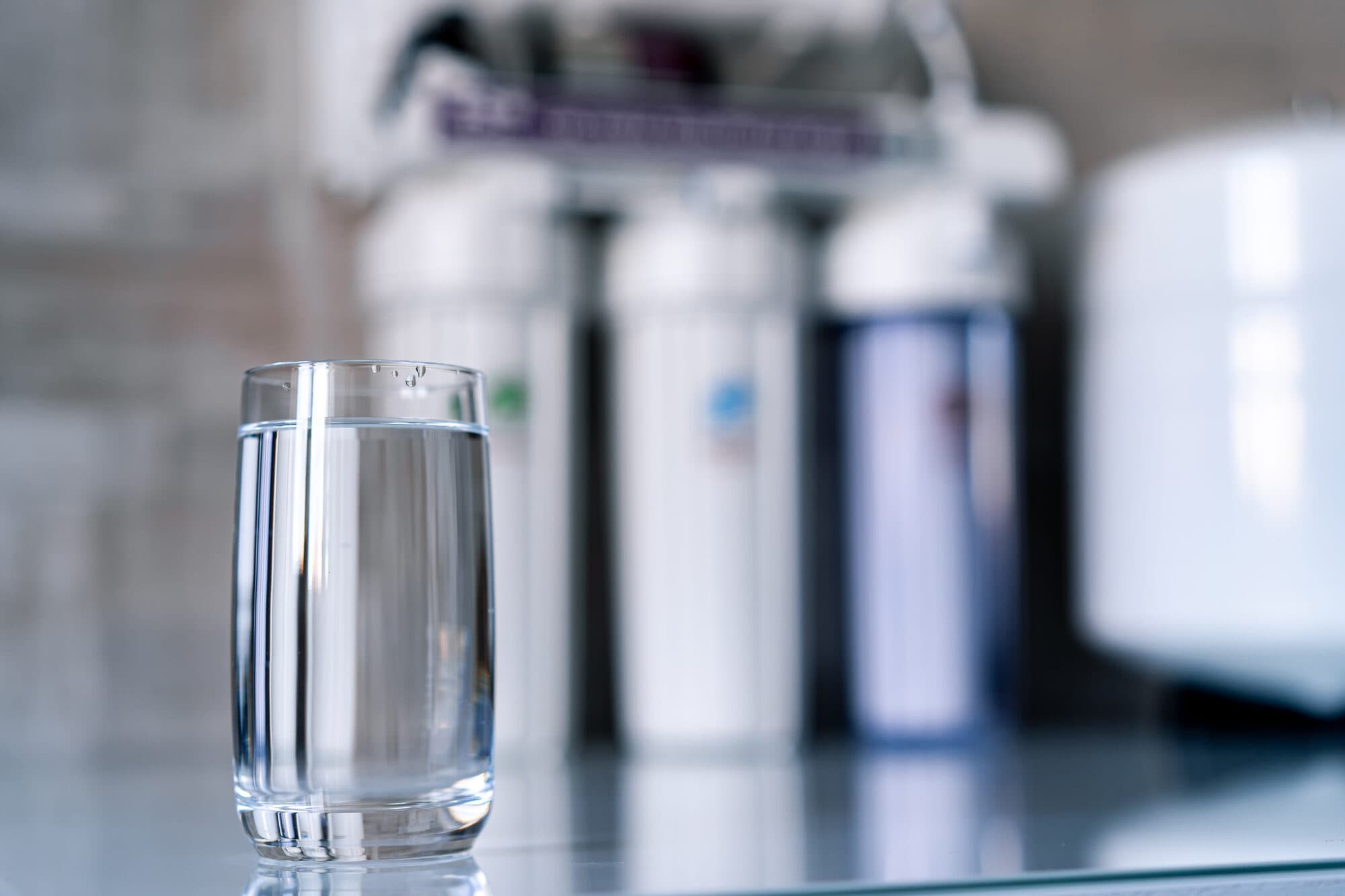
A well system is a sequence, not a single appliance. Sediment usually comes out first so it does not foul later stages. Iron and sulfur treatment follows. Softening comes after that, and reverse osmosis sits at the drinking tap for anything remaining.
Get the order wrong and stages work against each other: high iron will foul a softener resin bed, and sediment will shorten the life of everything behind it. This is the main reason a well system should be designed around test results rather than assembled from parts.
Start with the test
- What gets measured
- Hardness, iron, chlorine, total dissolved solids, pH and anything else relevant to your particular supply.
- What it costs
- Nothing. The analysis is free and carries no obligation.
- How long it takes
- About 30 minutes at your home, and you get the results explained in plain language along with a clear quote.
If you are on a private well anywhere across Polk County or the surrounding areas, testing is the sensible first step. It is the only way to know which of these you are actually dealing with, and it costs nothing to find out.