Bottled-Water Quality, Straight from Your Tap
A reverse osmosis system removes up to 99% of contaminants — lead, chlorine, fluoride, nitrates, arsenic, and more — through a multi-stage membrane process. The result is clean, crisp water that tastes better than anything you'll buy in a bottle.
What RO Removes
The Most Thorough Filtration Available
Reverse osmosis pushes water through a semipermeable membrane with pores as small as 0.0001 microns. Here's what gets left behind.
Leaches from old pipes and solder — RO removes it at the molecular level.
Added by municipal water treatment but leaves a bad taste and smell.
Present in most city water — RO is one of the few filters that effectively removes it.
Common in agricultural areas and well water — dangerous for infants at high levels.
Naturally occurring in some Florida groundwater — RO provides a reliable barrier.
Emerging contaminant of concern — RO is one of the most effective removal methods.
All the invisible stuff that makes water taste off — RO strips it down to pure H₂O.
Increasingly found in tap water — the RO membrane physically blocks them.
Beyond Drinking
RO Water Makes Everything Better
An under-sink RO system gives you a dedicated faucet for pure water — used for drinking, cooking, coffee, pet bowls, and baby formula. The difference is immediate.
Better Coffee & Tea
Pure water extracts more flavor from coffee grounds and tea leaves. Your morning cup will taste noticeably better.
Crystal-Clear Ice Cubes
No more cloudy ice. RO water freezes clear because there are no dissolved minerals or gases to create cloudiness.
Great-Tasting Cooking
Pasta, rice, soups, and steamed vegetables all taste cleaner when cooked in RO water — no off-flavors from chlorine or minerals.
Peace of Mind
Know that your drinking water is free from lead, nitrates, PFAS, and other contaminants — even if your municipal water report raises concerns.
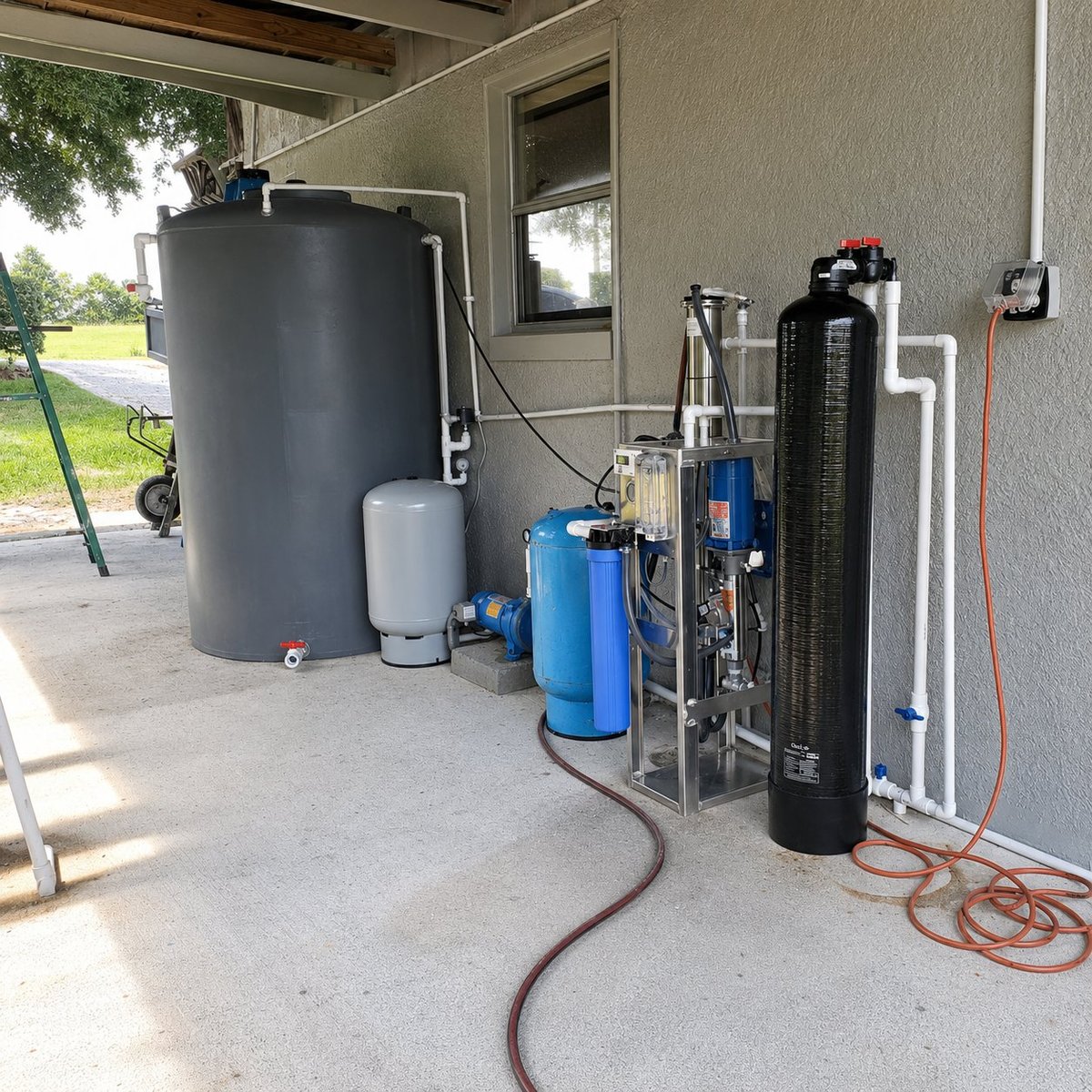
Up to 99% Removal
Of common water contaminants
RO FAQ
Common RO Questions
How does a reverse osmosis system work?
Does reverse osmosis waste water?
How often do RO filters need to be changed?
Does an RO system remove healthy minerals too?
The Cleanest Water You'll Ever Taste
Stop buying bottled water. Get a reverse osmosis system installed and enjoy unlimited pure water from your own kitchen tap.